
Yoga for Recovery
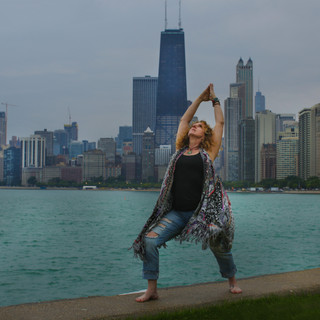

Recovery isn’t just a mental process. It’s a nervous system process.
When people think about recovery from alcohol or drugs, the focus is often on thoughts and behaviour: support meetings, tools, routines, and learning new ways to respond to stress. Those matter. But recovery also lives in your body, because stress, craving, sleep, and emotional regulation all run through your nervous system.
Many people in recovery describe feeling:
“wired” but tired, like you can’t settle
shut down or numb
easily triggered or overwhelmed
tense, anxious, reactive, and/or exhausted
disconnected from your body, appetite, or emotions
These aren’t character flaws. It’s your body doing what bodies do after long periods of stress, survival, and coping. Substances can become a fast way to change state, calm down, amp up, numb out, sleep, or escape. When you remove that state-change tool, your nervous system still needs other ways to settle and reset.
That’s one of the reasons adding a physical / somatic element to recovery can be so helpful.
A quick note about me: I’m Ruth Day. I’ve been sober for over 20 years, and I’ve taught yoga for over 13 years, with additional training in trauma-informed and trauma-sensitive approaches. I’ve also taught in recovery-adjacent settings, including drug court and Cook County Jail. My goal is to keep this work practical, inclusive, and choice-based so you can build steadiness without pressure.
What exactly is somatic work?
Somatic work means working with your body, not just talking about what’s happening, but helping your system shift out of fight/flight/freeze and into a more regulated state.
Yoga for recovery isn’t about pushing. It’s about learning how to:
notice what’s happening in your body (without getting overwhelmed)
release tension and reduce agitation
stay present with discomfort without needing to escape it
practice downshifting, again and again
rebuild trust in your body as a place you can live in
And honestly? For many people the real challenge isn’t “try harder.” You’ve been trying harder your whole life. The challenge is learning how to let go of bracing, controlling, forcing, and white-knuckling through life.
Why a body-based practice can support recovery
1) It supports downshifting and regulation. Cravings and relapse risk often rise when your system is stressed, exhausted, lonely, or emotionally flooded. Breath, grounding, and gentle movement help your body settle, sometimes just enough to create space, perspective, and choice.
2) It teaches letting go in small, safe steps. In recovery you might notice you’re gripping, physically and mentally. Yoga gives you a way to practice softening: unclenching your jaw, dropping your shoulders, exhaling longer, and resting without “earning it.” That skill translates directly into daily life.
3) It builds tolerance for discomfort without overwhelm. Recovery brings waves: restlessness, grief, anger, boredom, fear, urges. Yoga offers a contained environment to practice being with sensation and emotion while staying present without numbing. You learn: I can feel this, and I don’t have to react.
4) It rebuilds body trust. Substance use can disconnect you from internal cues (hunger, fatigue, stress, emotion). A trauma-informed practice helps rebuild your relationship with your body as something you can listen to, not something you need to fight or numb.
5) It provides healthier ways to shift your state. Substances can be used to change how you feel in the moment. Yoga offers other ways to shift your state: grounding, movement, breath, and rest. Not a magic fix, just another option when things get hard.
6) It supports sleep and recovery physiology. Restorative postures and longer exhales can help your nervous system settle. A good night’s sleep helps recovery feel more doable.
7) It offers consistency and connection. A weekly class with a predictable structure can become an anchor. When life feels chaotic, showing up to something steady matters.
A note about trauma-informed recovery yoga
Trauma-informed yoga prioritizes:
choice and agency (everything is optional)
no pressure to share
clear structure and predictable pacing
options for different bodies and energy levels
a focus on safety and steadiness rather than “pushing through”
You don’t need to be flexible. You don’t need to be experienced. You don’t need to talk. You just need a place to practice coming back to yourself.
If you want a steady, supportive place to practice this in real time, I teach Yoga for Recovery at Grow Well in Naperville.
This is a free, trauma-informed, all-levels class for people recovering from alcohol and drug use (including people in treatment, attending SMART Recovery or 12-step meetings, newly sober, or returning to recovery supports).
Each class includes:
an optional check-in (you can always pass)
one simple breath/grounding tool you can use outside class
a gentle, Hatha-based yoga practice with options (including restorative and chair variations)
a calming wind-down (rest/relaxation and sometimes a short guided rest)
When: Tuesdays, 6:00–7:00 PM
Where: Grow Well (Naperville)
Cost: Free (funded by the City of Naperville)
You don’t have to feel ready. You don’t have to be “good” at yoga. You can just come as you are.


Comments